THE NON-NEGOTIABLE GOAL
The headline must trigger one immediate reaction:
"What the f**k is this about… and how does this affect me?"
If the reader can scroll past without feeling:
- accused
- exposed
- anxious
- curious
- validated
It has failed.
Most B2B ads get ignored because they sound like marketing. They use the same words. The same structure. The same safe, forgettable tone. "Unlock your potential." "Transform your business." "Discover the future of..."
Exposé ads work because they look like something the reader wasn't supposed to see. A leaked document. An insider confession. A scandal about to break. The format bypasses the mental filter that blocks traditional advertising.
The goal isn't to inform. It's to implicate. To make the reader feel like if they scroll past, they might be missing something that directly affects them, their career, or their company.
WHY EXPOSÉ HEADLINES WORK IN B2B
B2B buyers are humans. They're just as susceptible to curiosity and FOMO as anyone scrolling the Daily Mail at 11pm. The difference? The stakes are higher. Their careers, bonuses, and reputations are on the line.
Pattern Interrupt
B2B buyers are trained to ignore content that looks like marketing. "5 Tips to Improve Your..." gets scrolled past in milliseconds. Exposé headlines stop the scroll because they trigger a completely different response: "Wait, what is this?" The format bypasses the mental filter that blocks traditional ads.
Curiosity Gap
Exposé headlines create an information gap the brain cannot tolerate. Something is being hidden. Someone is being exposed. There's inside knowledge the reader doesn't have. The brain's need for closure is so strong that clicking becomes almost involuntary. They have to know.
Emotional Triggers
B2B buying decisions are emotional, not rational (despite what procurement departments claim). Fear, FOMO, and shame bypass the logical brain entirely. By the time the reader consciously processes what they've seen, the emotional hook is already set. They're reading to confirm they're not the one being exposed.
"Is This About Us?"
Accusatory headlines are impossible to ignore because they demand self-assessment. "EXPOSED: The Mess Inside Most Successful Companies" forces every reader to ask: "Is this about us?" Even if they're 90% confident it isn't, that 10% uncertainty is enough to make them click. Nobody wants to be the cautionary tale.
News Format Bypass
If it looks like marketing, it gets filtered. If it looks like news, it gets read. The brain processes editorial content differently to advertising. Exposé ads exploit this by mimicking the format of investigative journalism, leaked documents, and breaking news stories. The reader's "ad blocker" doesn't activate.
Implication Over Selling
The best B2B ads don't convince. They implicate. The headline presents a situation so specific, so recognisable, that the reader finishes the thought themselves. "Is this about us?" becomes "We need to look into this." The reader sells themselves before you've said a word about your product.
WHY B2B BUYERS ARE ESPECIALLY VULNERABLE
Consumer marketing can afford to be ignored. B2B marketing cannot. The people reading your ads have careers, reputations, and bonuses on the line. They're not just buyers. They're professionals who will be held accountable for what they do — and don't — act on.
Risk-Averse by Design
B2B buyers don't get rewarded for making bold choices. They get rewarded for not making mistakes. Exposé ads weaponise this by making "doing nothing" feel like the riskiest option. Inaction becomes the threat.
Reputation-Sensitive
Nobody wants to be the person who ignored the warning signs. Exposé headlines create public accountability anxiety: "If this becomes a problem, did I know about it first?" The reader's reputation is suddenly on the line.
Politically Aware
B2B buyers operate in organisations with politics. They need ammunition to escalate issues. Exposé content gives them language to take to leadership: "I saw this article and I think we should look into it." You become their source.
Blame-Conscious
When things go wrong in B2B, someone gets blamed. Exposé ads create a paper trail of awareness. If the buyer reads it and doesn't act, they become part of the story. "I knew about this and did nothing" is career-ending.
B2B buyers don't buy because something is exciting. They buy because something feels dangerous to ignore.
EXPOSÉ LANGUAGE RULES
BURN THESE IN:
- ALL CAPS allowed
- Colons mandatory
- Accusatory tone preferred
- Implication over explanation
- Outrage > clarity
- Drama before logic
Words that sound illegal to use in B2B:
Headline Intensifiers:
"BIG PROBLEM NOBODY ADMITS"
Exposé Story
The industry is lying to itself. The damage is already happening.
Emotional Hit
Shame. Fear. "Is this about us?"
The Psychology:
This category works because it validates what the reader already suspects. Every industry has problems nobody talks about publicly. The unspoken truths. The collective delusions. When you name them explicitly, you become an insider. Someone who knows.
The reader thinks: "Finally, someone's saying it." You've earned credibility by speaking the unspeakable. Now they're listening.
When to Use:
Use when your ICP knows things aren't right but hasn't verbalised it. When there's a collective delusion or polite silence in the industry. When people complain privately but present differently in public. When you're targeting leaders who are frustrated with the status quo.
Maximum-Volume Headlines:
EXPOSED: The Mess Inside Most "Successful" [Industry] Companies
REVEALED: Why [Industry] Teams Are Failing in Plain Sight
SCANDAL: The Problem [Job Titles] Are Hiding From Their Bosses
THE DIRTY SECRET OF [INDUSTRY]: Everyone's Guessing
INSIDE THE CHAOS: How [Industry] Really Operates When No One's Watching
If this feels unfair.
Good.
"THE SILENT DISASTER"
Exposé Story
Tiny issue. Catastrophic ending.
Emotional Hit
Panic. Urgency. Regret.
The Psychology:
This category exploits the human tendency to underestimate small risks. Tiny issues that become catastrophic endings are the most terrifying because they're the most relatable. Everyone has ignored something small. Everyone has assumed "it'll be fine."
The headline makes them wonder: "What am I currently ignoring? What small thing is going to blow up in my face?"
When to Use:
Use when your product solves something that starts minor and escalates. When the cost of inaction is higher than the cost of action. When the reader's current state feels "fine" but actually isn't. When you're selling prevention rather than cure.
Maximum-Volume Headlines:
WARNING: This Tiny Oversight Is WRECKING [Industry] Businesses
TICKING TIME BOMB: The Risk Sitting Inside Most [Systems]
SILENT DISASTER: Why Companies Don't See This Until It's Too Late
REVEALED: The Early Signs Every Failed [Industry] Firm Ignored
IGNORE THIS AND PAY LATER: The Bill Always Comes Due
These headlines should feel like: "I should probably read this now."
"THE SECRET OF THE ELITE"
Exposé Story
The winners are playing a different game.
Emotional Hit
FOMO. Status anxiety. Envy.
The Psychology:
This category triggers status anxiety. If the best companies know something you don't, you're already behind. The reader's brain immediately calculates: "Am I elite or not? Am I in the winning group?"
FOMO kicks in. They click to find out if they're in the winning group — or to find out what they're missing. Either way, they click.
When to Use:
Use when your product is used by market leaders. When there's a clear divide between top performers and everyone else. When the reader would be embarrassed to admit they don't know the "secret." When aspiration is a stronger driver than fear.
Maximum-Volume Headlines:
INSIDE THE BEST-RUN [INDUSTRY] COMPANIES: What They Know That You Don't
THE SECRET WEAPON TOP [INDUSTRY] TEAMS DON'T ADVERTISE
REVEALED: Why Some Companies Make Growth Look Easy
BEHIND CLOSED DOORS: How High-Performers Actually Operate
THE UNFAIR ADVANTAGE: What Separates Winners From the Rest
These should sting.
"COST & CONSEQUENCE"
Exposé Story
Small miss. Big disaster. The specific cost of waiting.
Emotional Hit
Loss. Blame. Regret. "This could be us."
The Psychology:
This category is the most visceral because it uses hard numbers. Abstract problems are easy to ignore. "£1.2M write-off" is not. The specific cost forces pattern-matching: "What would that cost us? Could this happen here?"
The power comes from framing the cost as the result of normal behaviour, not recklessness. "The minor issue nobody owned" implies this could happen to anyone who's busy, distracted, or assumes someone else is handling it. Which is everyone.
When to Use:
Use when you can quantify the cost of inaction. When the problem starts small and escalates. When your ICP has seen colleagues or competitors suffer consequences for things they also ignore. When you're selling to CFOs, boards, or anyone who thinks in numbers.
Maximum-Volume Headlines:
£1.2M WRITE-OFF: The "Minor" Issue Nobody Owned Until It Was Too Late
REVEALED: The £800K Mistake That Started As "Something We'd Sort Out Later"
BOARD FORCED TO ACT: How A Simple Oversight Became A Full-Blown Crisis
THE REAL COST OF WAITING: What Happened When Leaders Ignored The Warning Signs
THIS MISTAKE COST THEM £X: And It Started With Something Everyone Ignores
These headlines work because executives don't fear problems. They fear fallout.
THE COST & CONSEQUENCE FORMULA
This category deserves special attention because it's the most effective for high-ticket B2B. When the stakes are high, nothing triggers action like a specific, quantified disaster story.
1Start With A HARD COST (Not a Problem)
Rule: If the cost isn't concrete, it isn't scary.
2Frame It As SMALL MISS → BIG DISASTER
Examples: "Early warning signs", "A minor people issue", "Something they assumed would sort itself out"
Rule: If it feels like incompetence, people disengage. If it feels like normal behaviour, they lean in.
3Escalate Through CONSEQUENCES, Not Features
No product. No solution. No CTA. No advice. Just escalation.
The escalation path: Legal fees → Staff exits → Reputation damage → Leadership distraction → Board involvement → Loss of control
Rule: Executives don't fear problems. They fear fallout.
4Let THE READER Finish The Thought
The ad never says "You should buy X"
The reader thinks: "We should make sure this isn't us"
Rule: The best B2B ads don't convince. They implicate. The reader sells themselves.
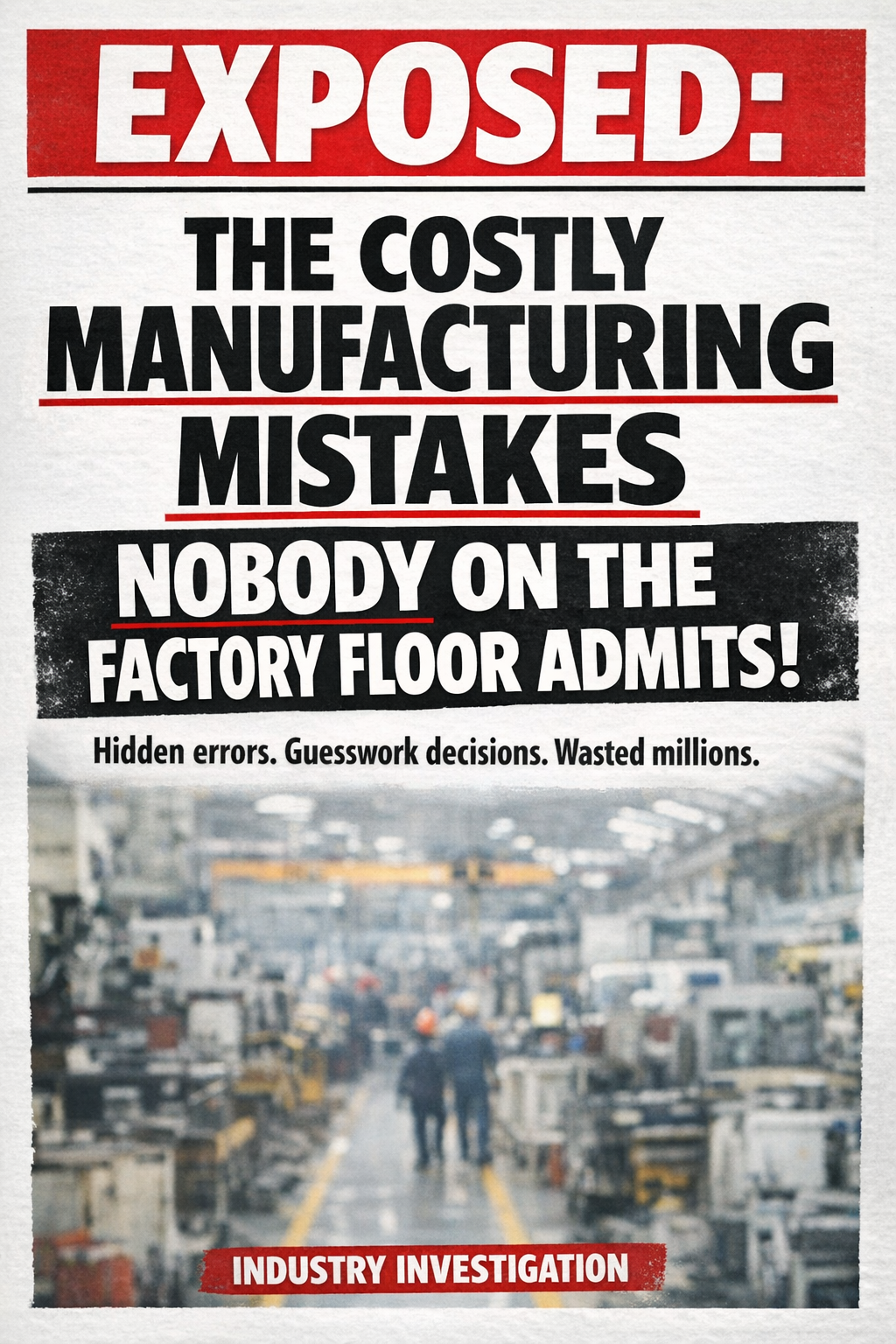
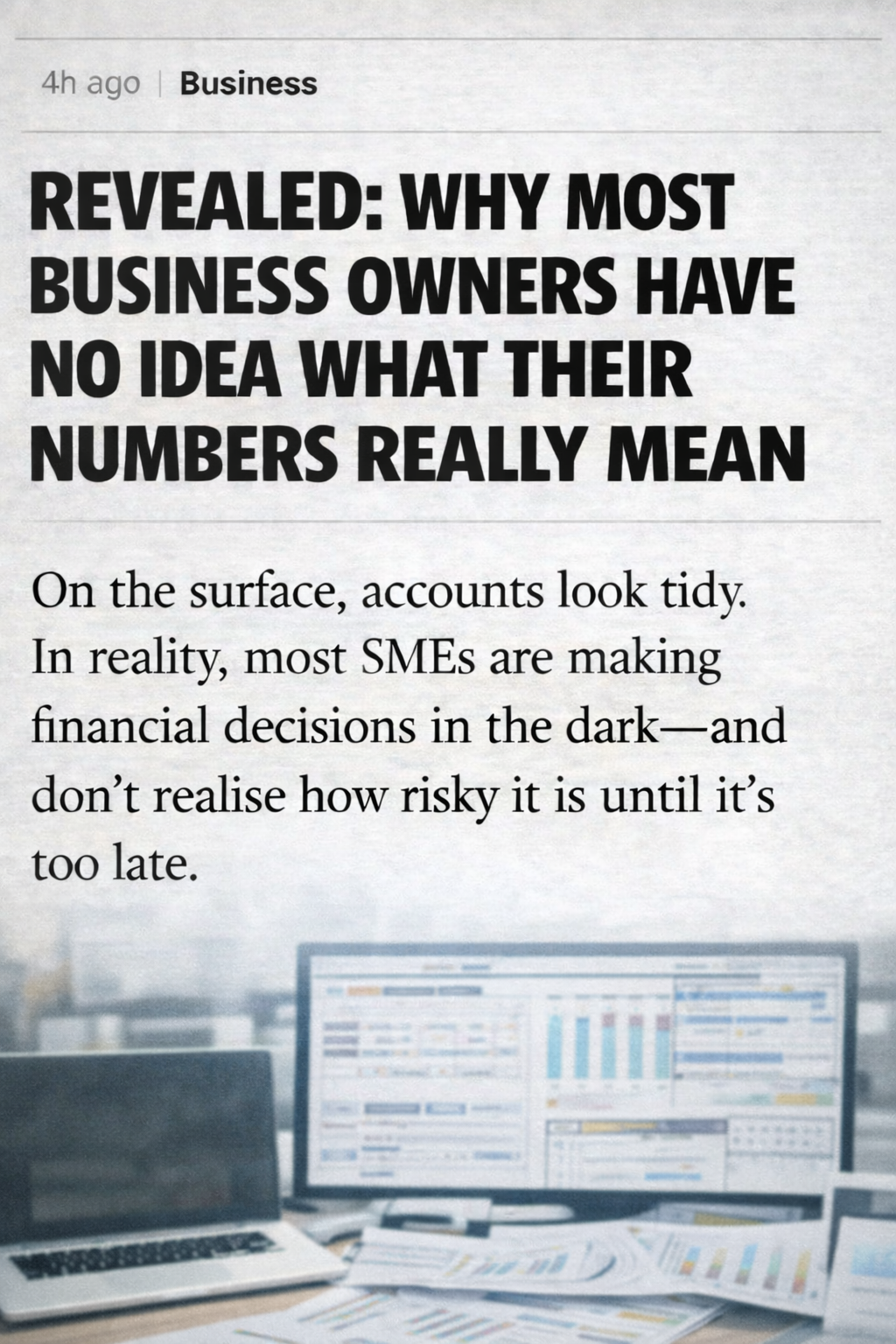
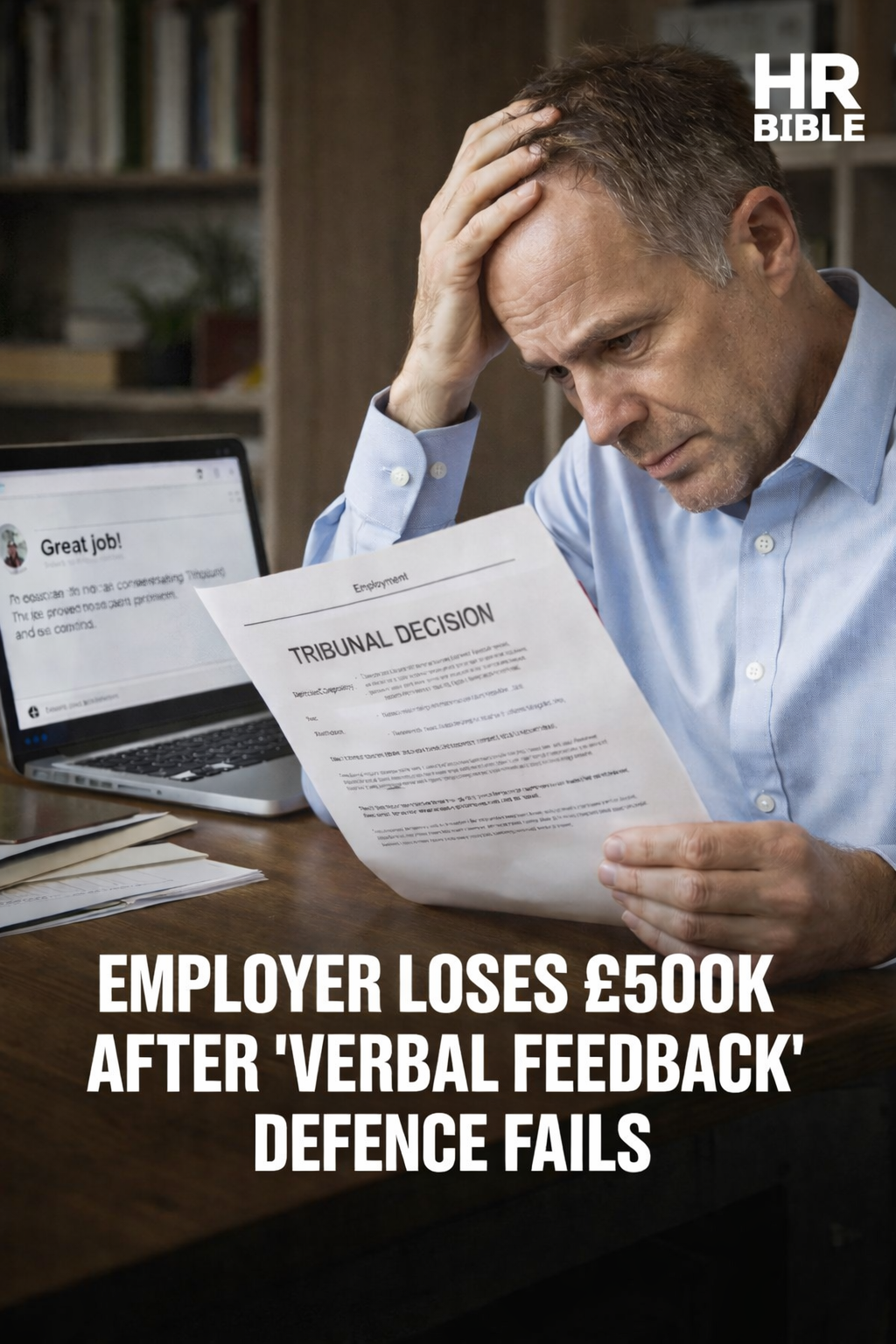
What Scroll-Stopping Looks Like
The exposé format applied to three "boring" industries.
HOW TO USE THESE HEADLINES
Four ways to deploy exposé headlines in your B2B marketing:
Paid Ad Creative
The ultimate use case. Exposé headlines paired with editorial-style imagery consistently outperform standard B2B ad creative on click-through rate. Why? They don't look like ads. The reader's brain processes them as 'news' before the logical mind can dismiss them as marketing. By then, they're already reading. Pattern-interrupt in a feed full of safe, forgettable content.
Organic Social Media Content
The first line of your post determines if anyone reads the rest. Most B2B content starts with 'I learned something today...' Exposé headlines start with 'REVEALED:' or 'This mistake cost £X'. The pattern interrupt is so strong that even people who disagree will click 'see more' to argue with it.
Cold Email Subject Line
Cold email subject lines have 3 seconds to work. 'Quick question' and 'Following up' get filtered. 'REVEALED: The mistake costing [industry] companies £millions' gets opened because it triggers curiosity and fear simultaneously. Even if they think it's spam, they need to know.
BONUS: Advertorial Landing Page
Take your campaigns further. When paid ads, cold emails, and social posts all lead to a full 'news-style' advertorial, the entire journey feels congruent. The reader's trust compounds at each step—they clicked a headline that looked like news, and they landed on a page that reads like investigative journalism. Use the headline as your H1, structure the page like a scandal, and watch conversions climb.See it in action: £96K Gone: What Happens When You Trust LinkedIn's Default Settings
THE EXPOSÉ AD STRUCTURE
"This is happening."
Start with a bold, specific claim. Not a vague observation. Name the problem. Quantify it if possible. Make it impossible to dismiss as 'not relevant to us'.
"You're not alone."
Normalise the problem. Show that others are experiencing it too. This isn't incompetence; it's an industry-wide issue. The reader feels seen, not attacked.
"It gets worse."
Take the problem from 'annoying' to 'dangerous'. What starts as a minor inconvenience becomes a career risk, a reputational threat, a board-level issue. Raise the stakes.
"Some suffer. Some don't."
Introduce the divide between companies that figure this out and those that don't. Create the 'in-group' the reader wants to belong to.
"Here's why."
Explain the difference. What do the successful companies know? What are they doing that others aren't? This is where your solution starts to emerge, but subtly.
"This is where the industry is going."
Make the change feel inevitable. Fighting it is pointless. The only question is whether the reader gets ahead of it or gets left behind.
FINAL BRUTAL TEST
Before you publish any exposé ad, run it through this filter:
The Discomfort Check
Does this headline make you slightly uncomfortable? Would you hesitate to post it under your own name? Good. That discomfort is a feature, not a bug.
The Scroll Test
Imagine this headline in a feed of 50 LinkedIn posts. Would it stop you? Or would you scroll past? Be honest. If you'd scroll past, so will your audience.
The Comment Section Test
Would this headline generate comments? Would people feel compelled to weigh in, disagree, or share their own experience? Controversy isn't the goal, but engagement is.
The ultimate question:
"Would this headline get me told to calm down in the comments?"
If yes. Perfect.
If it sounds like LinkedIn thought leadership. Delete it.