Creative Strategy · April 2026 · 18 min read
Stolen From B2C: 6 Ecom Ad Concepts B2B Marketers Should Be Running Right Now
DTC brands cracked this 18 months ago. These are the 6 ecom ad formats that actually work for B2B, adapted with ease scores so you know what to run first.
Here's something that should probably annoy you.
A protein powder brand with a tenth of your budget is getting better results from their ads than most B2B companies I've ever audited. Their founder filmed a video in a car park on his phone and it outperformed campaigns that took weeks to build.
That's not a freak result. That's what's happening across ecom right now, and B2B is completely asleep to it.
The best advertising ideas in 2026 aren't coming from B2B. They're coming from DTC brands selling skincare and supplements and dog food. Brands that live and die by their creative every single day.
If their ad doesn't stop someone scrolling within half a second, they lose money that day. Not next quarter. Not at the end of a reporting cycle. So they've been forced to figure out what actually makes people pay attention, and they've got years of head start on most B2B marketers.
Meanwhile, the average B2B company is still sat in its LinkedIn comfort zone. Same static image with a vague value prop, same forgettable headline, same campaign structure they've been running for three years.
The creative isn't terrible. It's just invisible. It blends into the feed like wallpaper, and then everyone wonders why the pipeline's drying up and cost per lead keeps creeping north.
About 7 years ago, I was stuck in exactly the same rut. I'd been running B2B campaigns for a while and I was bored of pushing out the same types of ads. Same static images, same safe copy, same predictable results month after month.
I knew the campaigns were "fine" but I also knew they weren't exciting anyone, least of all me.
Then one evening I was scrolling TikTok and I saw a DTC ad that just hit completely differently. It was rough, it was direct, and it made me stop mid-scroll in a way that none of the polished B2B stuff I was producing ever would.
I couldn't stop thinking about it. The next morning I took that idea, just the core concept, nothing fancy, and reworked it for a B2B client whose campaign was limping along at the time. An industrial services company. Not exactly the most glamorous sector.
We swapped out their safe corporate creative for something that borrowed from what I'd seen.
The results were almost embarrassingly fast. CPC dropped by more than half within the first couple of weeks. Cost per lead followed it down. The pipeline started filling up properly for the first time in months, and the revenue impact showed up within a quarter.
We didn't change the targeting. Didn't change the budget. Didn't change the platform. We just made better ads.
That one moment completely rewired how I think about B2B creative, and it's what we do for clients now across every industry we work in. Time and time again, the same pattern plays out: borrow from B2C, adapt it properly, and watch the numbers shift.
So I've taken six of the highest-performing ecom ad concepts from 2026 and translated each one for B2B. These aren't theoretical suggestions or "maybe this could work" ideas.
They're specific formats with specific adaptations that you can genuinely run this week, and I've given each one an ease-of-execution score so you know which ones to try first and which ones need a bit more setup.
Everyone else in your industry is still running corporate wallpaper. The creative gap between B2C and B2B is enormous right now, and honestly, that gap is the biggest competitive advantage sitting in front of you if you're willing to steal from the brands that actually know what they're doing.
The Founder Face
What this is
In ecom right now, founder-led video is outperforming pretty much everything. And I don't mean polished brand films with a production crew and a shot list.
I mean the actual founder, sat in their kitchen or their car, talking into their phone about one specific thing. No script, no second take, no fancy lighting. Just a person with something useful to say.
DTC brands have known this works for years. There's a well-known case of a founder video that took a drinks brand from zero to £15k/day in revenue within 48 hours. It wasn't because the video looked good. It looked terrible by most standards. But it felt real, and that's what made people trust it.
For B2B, the translation is pretty obvious once you see it. Your MD or founder grabs their phone and records a 30-second vertical video addressing one specific pain point that your buyers deal with.
Not a company overview. Not "who we are and what we do." Just one insight, one tip. The kind of thing you'd naturally say in the first five minutes of a meeting before anyone's opened a slide deck.
B2C Original

@sarah_glow_co
"I made this in my kitchen. Now it's in 400 stores."
No script. No studio. Just the founder talking to camera about why she started the brand.
B2B Adaptation

Rachel Simmons · Founder, PrecisionHR
"The one clause in your employment contracts that's about to cost you £50k."
30 seconds. Phone camera. One specific tip. No corporate waffle.
Targeting: SME owners & HR managers, 10-200 employees
Why it works
Pattern interrupt. Every other B2B ad in someone's feed is a static image with a stock photo and a headline they've seen a hundred times. A real person looking into the camera and talking directly to them stops the scroll because it looks like actual content, not advertising.
The brain processes it differently.
People buy from people. This is especially true in B2B where the deal values are high and the buying process takes weeks or months. Putting a real face to the company compresses all of that trust-building into a few seconds.
By the time they actually speak to you, they already feel like they know you. That's incredibly powerful and almost nobody in B2B is doing it.
Who should steal this
- →Any B2B company with a founder or director who can talk naturally for 30 seconds without reading from a script
- →Service businesses in particular: consultancies, agencies, professional services firms
- →Companies in "boring" industries where literally nobody else is putting a face to the brand
📐 The Formula
Pick one pain point. Not three, not five. One specific thing your buyers are dealing with right now that you know how to fix.
Film it vertically on your phone. Natural light, wherever you happen to be. The imperfection is genuinely the point. It's what makes it feel real rather than rehearsed.
Keep it to 30 seconds. Open with the problem, share the insight, then stop. Don't force a CTA on the end if it doesn't feel natural. Sometimes just stopping is more powerful.
Run it as a Thought Leader Ad or standard video ad. Put it in front of your target audience and test it head-to-head against whatever you're currently running. You'll probably be surprised.
The UGC Spark Ad
What this is
TikTok Spark Ads and Meta Partnership Ads let you take someone else's content and run it as your own paid ad. The clever bit is that it still appears from the creator's account, not your brand page, so it looks completely native in the feed.
Ecom brands have been doing this for years and it works incredibly well because the content doesn't feel like advertising at all. Most B2B companies haven't even heard of the format.
The B2B version is simple. Find a client or someone respected in your industry and get them to record a casual video about the problem you solve.
Not a stiff testimonial where they read off a script. More of a rant, or a tip, or a "here's what I learned the hard way" kind of story. Then you boost that as a paid ad, and because it's coming from a real person's account rather than a brand, the trust transfer is immediate.
The viewer trusts the person talking, not you. That's the whole trick.
B2C Original
@jessicafitlife
Sponsored · Spark Ad

"okay I wasn't gonna post this but this protein powder actually tastes like a milkshake??"
B2B Adaptation
Mark Thompson · IT Director
Partnership Ad

"We'd been quoted 12 weeks by everyone else. These lot did it in 3. I'm still not over it."
A genuine reaction. Not a testimonial.
Targeting: IT Directors & CTOs, 50-500 employees
Why it works
Trust transfer. The viewer trusts whoever's talking in the video, not the brand paying to show it. That completely bypasses the usual ad blindness because the content genuinely doesn't look or feel like an ad.
It looks like someone sharing their experience. Which is exactly what it is.
Credibility you can't fake. A client casually talking about how quickly you turned something around doesn't feel like marketing. It feels like overhearing a conversation at a conference. That kind of social proof carries far more weight than any branded case study PDF you'll ever produce.
Who should steal this
- →Companies with vocal clients who'd genuinely enjoy talking about the problem you solved for them
- →Recruitment, SaaS, professional services, managed IT. Anything with repeat client relationships
- →Businesses with existing industry connections like podcast guests, conference speakers, or partners
📐 The Formula
Find the right voice. A happy client, an industry expert, or someone your audience already knows and respects. The closer they are to your ICP, the better this works.
Don't give them a script. Just ask them to talk about the problem, not your solution. Questions like "what was the biggest headache before?" tend to get the most natural responses.
Keep it scrappy on purpose. Phone camera, their office or car, whatever's natural for them. The less it looks like a production, the more believable it feels in the feed.
Boost it through the right channel. Use Spark Ads on TikTok or Partnership Ads on Meta. The content runs from their account, which is exactly why it works so well.
The Transformation Reveal
What this is
Before/after content absolutely dominates ecom. Skincare transformations, home renovations, wardrobe makeovers. The dopamine hit of seeing a messy starting point turn into a clean result is universal, and there's a reason this type of content gets billions of views across every platform.
People genuinely can't look away from a good transformation.
The B2B version is a before/after of a process, a dashboard, or a workflow. Think about it: a screenshot of the chaos (47 open browser tabs, 6 different spreadsheets, 3 people manually chasing the same data) sitting next to the clean result after implementation.
One dashboard. Real-time data. Nobody chasing anything. The viewer looks at the "before" and immediately recognises their own desk. That recognition is what does all the selling for you, without a single line of clever copy.
B2C Original

Dull skin, breakouts, redness

Clear, glowing, no filter
30 days with our vitamin C serum
B2B Adaptation
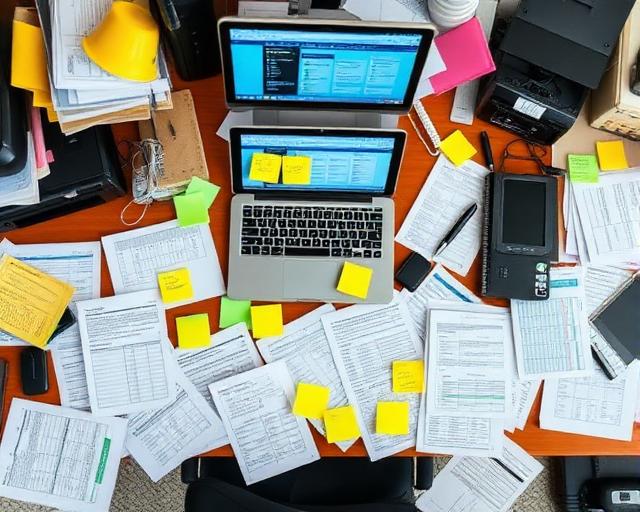
47 tabs. 6 spreadsheets. 3 people manually updating.
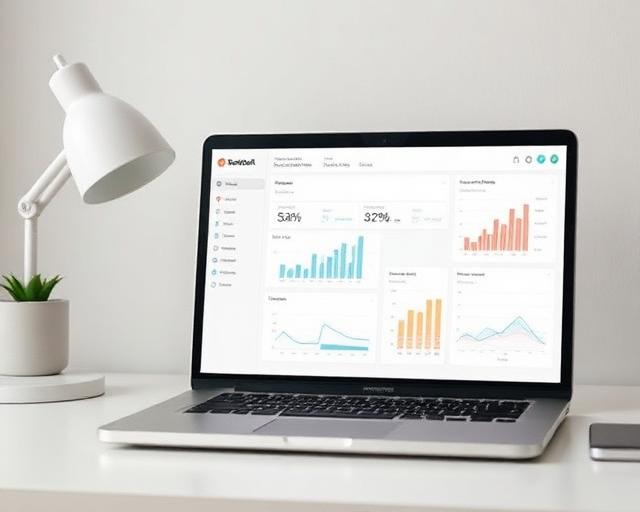
One dashboard. Real-time. No chasing.
Same team. Same data. Different system.
Targeting: Ops managers & finance directors, manufacturing/logistics
Why it works
Visceral recognition. The viewer sees the "before" state and their immediate thought is "that's literally my desk right now." You don't need to explain the problem to them because they're already living it every day.
The "after" just creates instant desire without needing any persuasion.
The visual does the heavy lifting. A side-by-side image communicates the value of what you do faster than any headline ever could. The contrast between chaos and order is so immediate that your copy just needs to confirm what the viewer is already thinking.
Who should steal this
- →SaaS companies who can show the actual dashboard or interface transformation
- →Operations consulting, managed services, anyone who fixes broken processes
- →Any company that essentially creates order from chaos, whether that's data, workflows, reporting, or compliance
📐 The Formula
Find the ugliest "before" you can. The messier and more chaotic it looks, the better the contrast will be. Spreadsheet hell, an inbox with 4,000 unread emails, manual processes scrawled on whiteboards. All gold.
Show the clean "after." Single dashboard view, one source of truth, everything in its place. Make it look effortless even if the implementation took months.
Side-by-side or carousel — both work. A carousel lets you build anticipation towards the reveal. Side-by-side creates that instant hit of contrast. Test both and see which resonates with your audience.
Keep the headline simple. Something like "Same team. Same data. Different system." Let the visual do the talking and resist the urge to over-explain.
Want us to adapt these for your business?
We translate B2C concepts for niche B2B companies every day. Same psychology. Your market.
The Process Porn
What this is
Behind-the-scenes content has become one of the biggest trends in ecom over the past couple of years. Small brands filming how they actually make their products, packing orders at 3am, hand-writing thank you notes for every customer.
It's oddly satisfying to watch, it humanises the brand, and it builds a kind of trust that polished marketing content simply can't replicate. There are candle companies getting millions of views just from filming their packing process.
The B2B translation is showing the actual work happening. The audit being conducted with three people around a table. The team huddled over screens pulling campaign data. The engineer on site doing the thing that your website describes in abstract terms.
Not a polished case study write-up. The raw, slightly boring footage of what the work genuinely looks like day to day. Something like "This is what a £40k engagement actually looks like" as a caption, with footage of the detail and rigour involved.
Buyers of intangible services are often quietly terrified about what they're actually buying. This makes the whole thing feel real.
B2C Original

Packing 200 orders at 3am
📦 Hand-wrapping each candle
🏷 Writing a note for every order
📮 First batch hits Royal Mail at 6am
2.1M views on TikTok
B2B Adaptation

This is what a £40k engagement actually looks like.
📊 3 people. 4 screens. Pulling every data source.
🔍 Auditing 14 months of campaign history.
📝 Writing the report your last agency should have.
Not a case study. The actual work happening.
Targeting: Marketing directors & CEOs, £1M-£20M revenue
Why it works
It demystifies what you actually do. When you sell something intangible, whether that's consulting, auditing, strategy, or managed services, most buyers genuinely can't picture what they're paying for.
Showing the actual work happening removes that uncertainty because they can see the rigour, the detail, the number of people involved. It stops being an abstract promise on a website and becomes something tangible they can point to.
It justifies the price without you having to argue about it. When someone watches three people working across four screens, auditing 14 months of campaign data from multiple platforms, the price tag suddenly makes a lot more sense.
You're not telling them why it costs what it costs. You're showing them. That's a completely different conversation.
Who should steal this
- →Service businesses, consultancies, and agencies. Anyone selling expertise that's genuinely hard to visualise from the outside
- →Engineering firms, construction companies, logistics. Anywhere there's physical, visible work happening that most clients never get to see
- →Premium-priced services where the buyer needs to understand, viscerally, why it costs more than the alternatives
📐 The Formula
Film the next engagement as it happens. Have someone record the actual work with their phone. It doesn't need to be cinematic. In fact, the rougher it looks, the more authentic it feels to whoever's watching.
Narrate what's going on. Either text overlay or a quick voiceover explaining what people are looking at. Something like "Right now we're pulling 14 months of ad data across 3 platforms to find where the budget's been wasted."
Don't skip the boring parts. The tedious, meticulous, detail-heavy work is actually what builds the most credibility. Showing the highlight reel is easy. Showing the grind is what makes people trust you.
End with the deliverable. Show what all that work turned into: the final report, the dashboard, the recommendation. Connect the behind-the-scenes process to the tangible outcome so there's a clear payoff.
The POV Scroll-Stopper
What this is
POV-style content has completely taken over TikTok and Reels. You've probably seen it a hundred times. "POV: you just found the perfect jeans." "POV: your skincare routine finally works."
The format works because it puts the viewer directly inside a specific moment and triggers instant self-identification. People genuinely can't scroll past content that feels like it was made about their exact situation.
In B2B, this format is criminally underused, which is exactly what makes it so effective when you do use it.
Think about something like "POV: You just realised your main competitor has been running LinkedIn ads for 6 months and you haven't even started yet."
Or "POV: Your boss asks why leads are down and you have to explain that you've been 'building brand awareness.'"
The combination of humour and genuine professional pain is incredibly engaging. Nobody expects to see it from a B2B company, which is precisely why it cuts through.
B2C Original

TikTok · 8.4M views
POV: you just found jeans that actually fit and you're trying to act normal
1.2M likes · 45K shares
B2B Adaptation

Apex Industrial Coatings
Promoted
POV: The contractor just told you the coating's already peeling and it's been 3 weeks
(and the client's site visit is tomorrow)
Like · Comment · Repost
Targeting: Facilities managers & procurement leads, industrial
Why it works
It's a pattern interrupt on a completely different level. Nobody expects to see "POV:" in their LinkedIn feed. The format immediately feels like content rather than advertising, so the viewer's guard drops before they even realise they're looking at a paid ad.
By the time they clock what it is, they've already engaged with it.
Instant self-recognition is the most powerful hook there is. The best POV scenarios trigger that "oh god, that's literally me right now" reaction. Part laugh, part wince, entirely memorable.
That emotional response sticks with someone far longer than any polished benefit-led headline. And people share things that make them feel seen. That's free distribution.
Who should steal this
- →Any B2B company targeting owner-managers, marketing leads, or ops managers who are under constant pressure to deliver results
- →Genuinely works across every industry. The format is universal, you just customise the scenario to match your audience's specific pain
- →Especially effective in "serious" industries like engineering, compliance, or finance where nobody else is being remotely human in their advertising
📐 The Formula
Find the painfully specific moment. Not something vague like "marketing is hard." More like "your boss just asked why the £40k you spent on LinkedIn this year generated 3 actual leads." The specificity is what makes someone's stomach drop in recognition.
Write the POV line. "POV: [painfully specific professional situation]." Test a few variations and you'll quickly feel which one has the most bite to it. The more specific and uncomfortable, the harder it lands.
Pick a simple visual. A stock photo, a selfie, an AI-generated image, or a short video clip. The text is doing all the heavy lifting here. The image just needs to set the right mood.
Land the fix in one line. After the scenario, add a single sentence about how you solve it. Don't oversell it. The contrast between the pain of the scenario and the simplicity of the solution is the most effective CTA you'll ever write.
The Real Lesson
B2C brands treat creative as their primary growth lever, and they have done for years. They test dozens of concepts a week because they've learned the hard way that the ad itself matters more than the targeting or the budget or even the platform.
Everything else got optimised a long time ago. Creative is the last real competitive advantage they have, and they treat it accordingly.
B2B, overwhelmingly, still treats creative as an afterthought. Most companies will spend weeks on audience segmentation and targeting logic, then hand the actual ad off to someone who puts a stock photo with a generic headline on it and hopes for the best.
But the ad is the one thing the audience actually sees. It's the entire experience of your brand for someone scrolling at 8pm on a Tuesday. If it looks and feels exactly like every other ad in their feed, it genuinely doesn't matter how clever your targeting is. Nobody's stopping to look at it.
That gap between B2C creative sophistication and B2B creative laziness is, honestly, one of the biggest opportunities sitting in front of you right now. Pick one concept from this list, adapt it properly for your market, and actually run it this week. I've watched this play out across dozens of industries now, and the shift in results when you start advertising like a brand that gives a damn about creative is almost always faster and more dramatic than people expect.
Go deeper →
4 B2B ad concepts you can steal right now (with mockups and formulas)
Go deeper →
How to script, film, and edit a B2B video ad with just your iPhone
Go deeper →
How to create scroll-stopping ads for 'boring' B2B industries
Frequently Asked Questions
Want Us to Build These for You?
We adapt B2C creative concepts for niche B2B companies every day. If your ads look like everyone else's, we can fix that.
The Comment Section Ad
What this is
Ecom brands have been doing this on TikTok for ages. Someone leaves a comment saying "there's no way this actually works" and the brand makes an entire video responding to it.
The drama pulls people in, the transparency builds trust, and the conflict baked into the format makes it inherently shareable.
The B2B version works the same way. You take a real objection from a prospect, a sceptical LinkedIn comment, or a piece of common pushback your sales team hears every week, and you address it head-on in an ad.
Something like "A prospect told us £3k/month was too expensive. Here's what happened when they went with the cheaper option instead."
You're naming the elephant in the room publicly. The moment you name it, you own that conversation. Everyone watching who's had the same thought is now leaning in.
B2C Original
Replying to @skeptical_sarah
"there's no way this actually removes stains that well. it's just good editing 🙄"
Challenge accepted. No cuts. No edits. One take.
4.2M views · 180K likes
B2B Adaptation
ClearView Fire Safety
Promoted
A building manager told us our fire door inspections were "too expensive" at £1,200.
They went with someone cheaper.
Failed their compliance audit 4 months later. Remedial work cost £18k.
💬 Real objection from a prospect:
"We found someone who'll do it for £400"
Like · Comment · Repost
Targeting: Building managers & property directors, commercial
Why it works
It disarms scepticism before it becomes a blocker. Every buyer has objections they never actually voice. Price, timing, whether it'll really work. Most of the time those unspoken doubts are what kill the deal quietly in the background.
When you name those objections publicly and respond to them with confidence, you remove friction that most businesses never even realise is there.
It creates genuine drama in a boring feed. B2B feeds are dull by default. An ad that opens with "someone told us we're too expensive, here's what happened next" is just inherently more interesting than "we help businesses achieve better outcomes." There's conflict in it, and conflict is what makes people stop and read.
Who should steal this
📐 The Formula
Collect real objections. Ask your sales team what prospects actually say when they decide not to go ahead. Screenshot sceptical LinkedIn comments. Write down the exact words people use, because those words are your ad copy.
Pick the sharpest one. "We can get this done for half that price" is much more compelling to respond to than "we're not sure we need this right now." You want the objection that has a bit of bite to it.
Respond with a story, not a defence. "Here's what happened when they went with the cheaper option" will always be more powerful than "here's why we're worth it." Show what happens, don't argue about price.
Show the objection visually. Screenshot it so it looks and feels like a direct response to a real person. The more authentic and raw it looks, the better it performs.